
Drone-Based Pedestrian Bridge Inspections in Rochester, NY
Client
Lu Engineers - Buffalo, NY
Project Overview
Lu Engineers engaged our team to support routine inspections of two pedestrian bridges located in a dense urban environment in Rochester, New York. Both bridges span waterways, presenting significant access challenges for traditional inspection methods. One bridge was completely inaccessible by boat, and both sites posed safety, terrain, and cost concerns that made conventional approaches impractical.
The objective was to safely and efficiently document the underside and key structural elements of both bridges while minimizing disruption, cost, and risk to personnel.
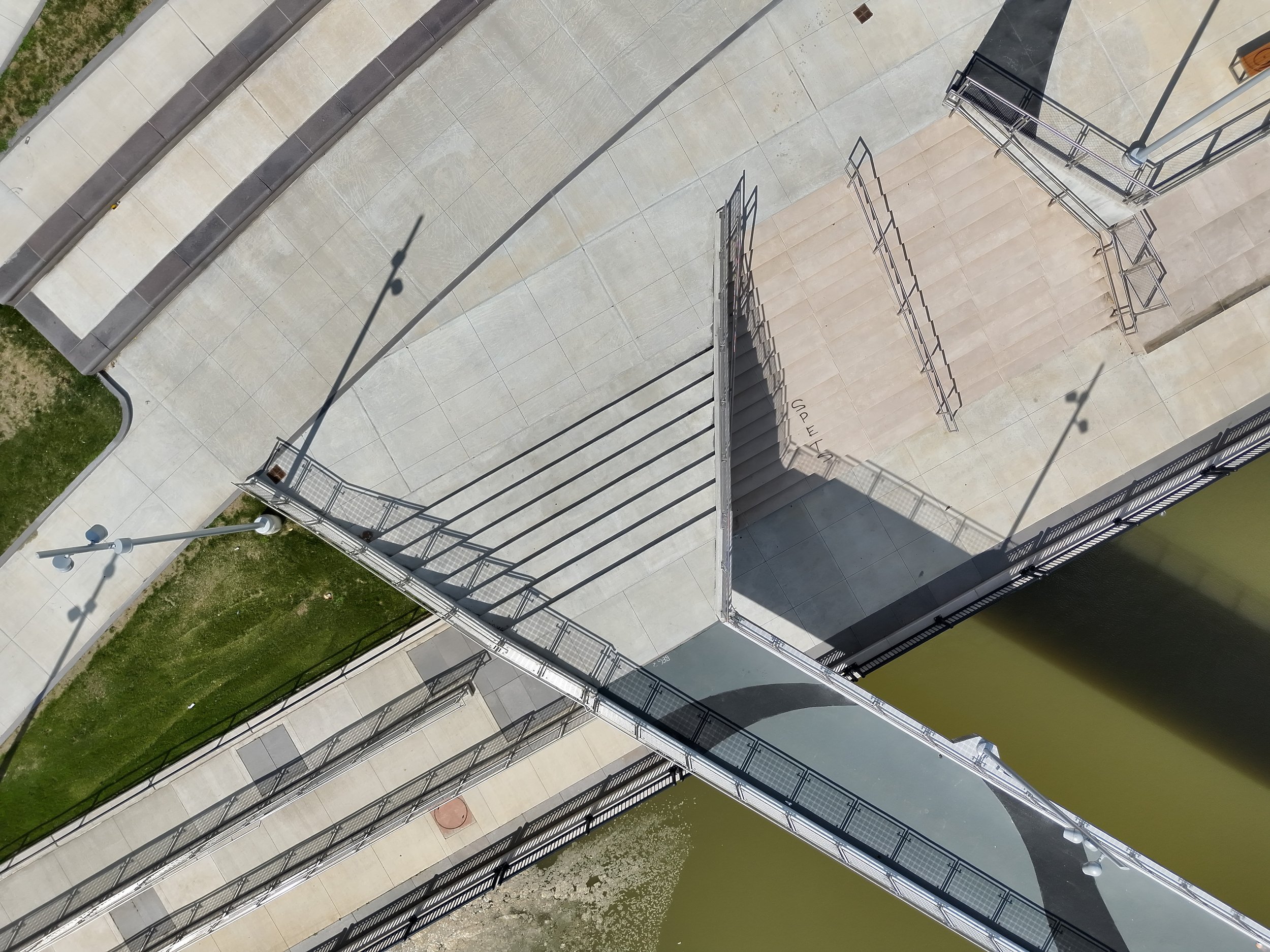
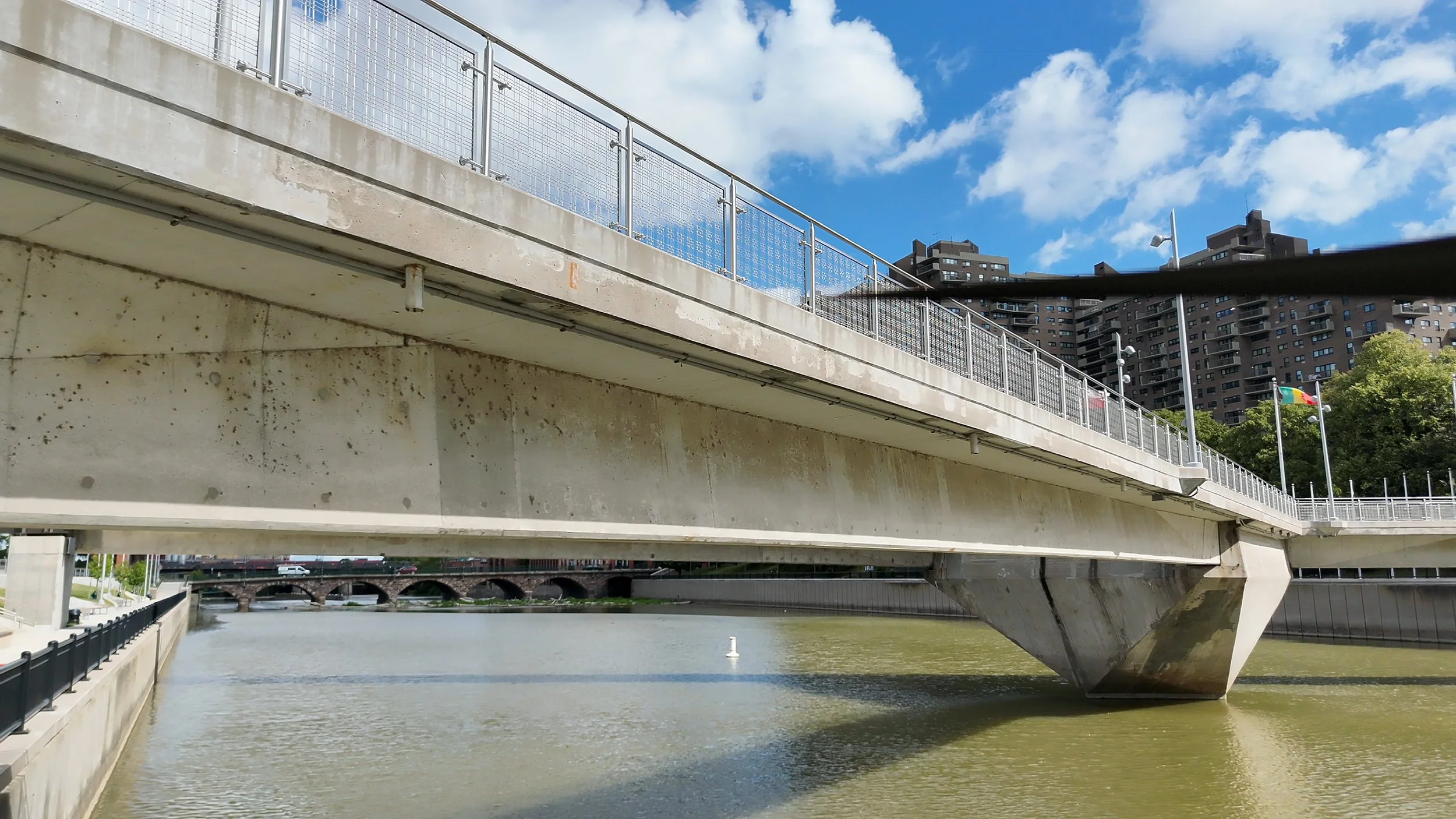
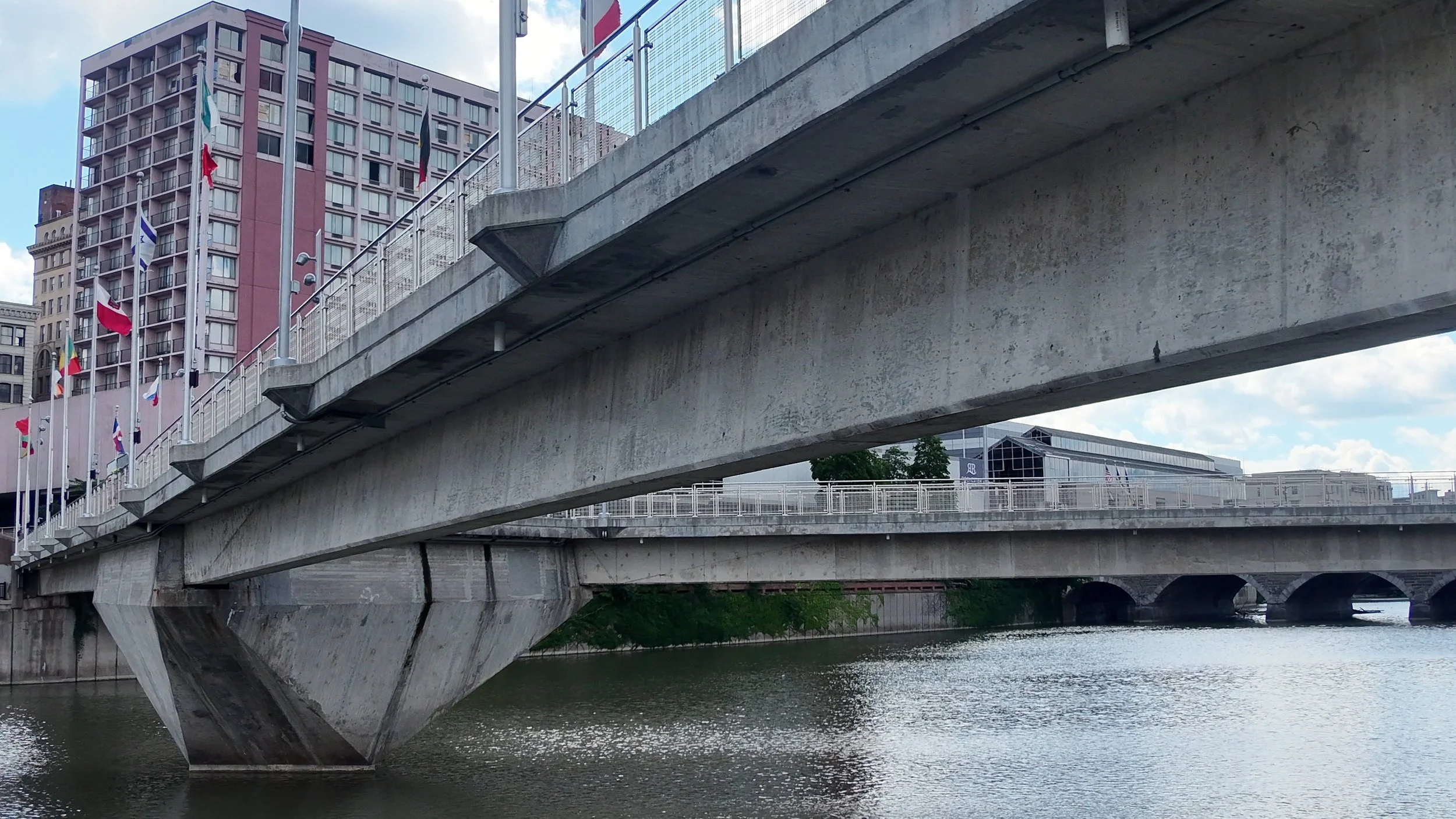
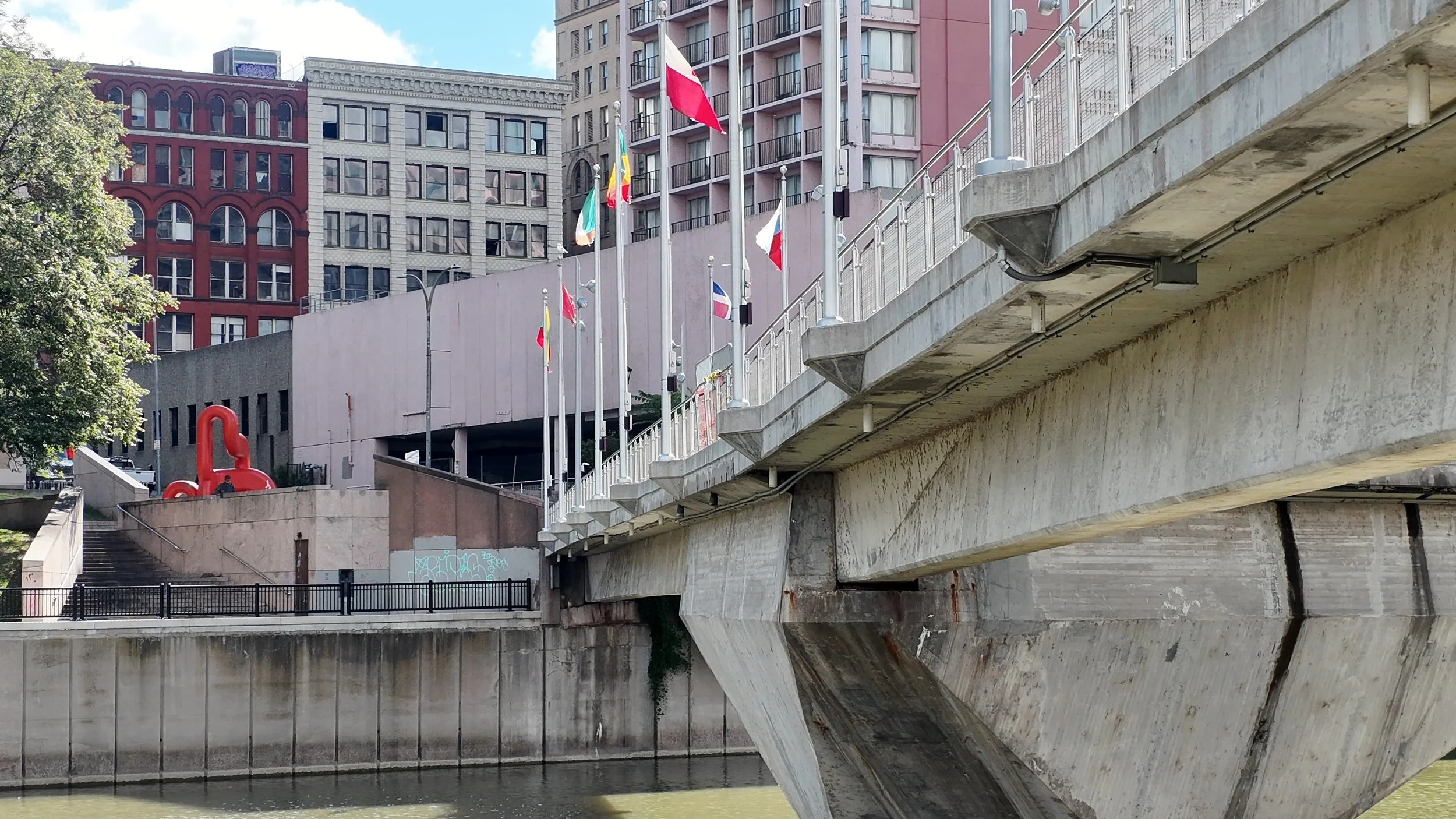
The Sisters City Bridge - Rochester, NY
The Challenge
Routine bridge inspections are typically performed using under-bridge inspection units (UBIUs), scaffolding, rope access, or boat-based methods. In this case, none of those options were feasible or cost-effective.
Key challenges included:
Both pedestrian bridges were located over water in a dense urban area
One bridge could not be accessed by boat due to location constraints
Terrain and site conditions limited safe setup of traditional access equipment
Mobilization costs and safety risks associated with scaffolding or rope access
The need to complete routine inspections without closing bridges or waterways
Despite these constraints, the bridges still required inspection to the same standard as other pedestrian structures.
Client Perspective
“Viewing the underside of the pedestrian bridge wasn’t possible using traditional inspection methods due to access limitations. Using drones allowed the inspection to be completed safely and efficiently.”
Why a Drone-Based Approach
Lu Engineers evaluated multiple drone service providers and selected our team based on a combination of cost efficiency, schedule advantage, and prior successful collaboration.
The drone-based approach eliminated the need for:
Scaffolding or rope access systems
Boat coordination and loading from upstream locations
Additional inspection personnel or specialty contractors
This significantly reduced both project cost and timeline while maintaining inspection-quality documentation.
Client Perspective
“The whole process from start to finish was smooth and simple. Nick understood exactly what needed to be done and effectively achieved the results we were looking for.”
Our Approach
Preflight planning for both bridges was completed in advance and coordinated with Lu Engineers. Because the sites were within controlled airspace, LAANC authorization was obtained prior to field operations.
Field work for both bridges was completed on the same day. Each inspection followed a streamlined workflow:
Parking near the site and walking to the designated takeoff location
Aircraft setup, system checks, and launch preparation
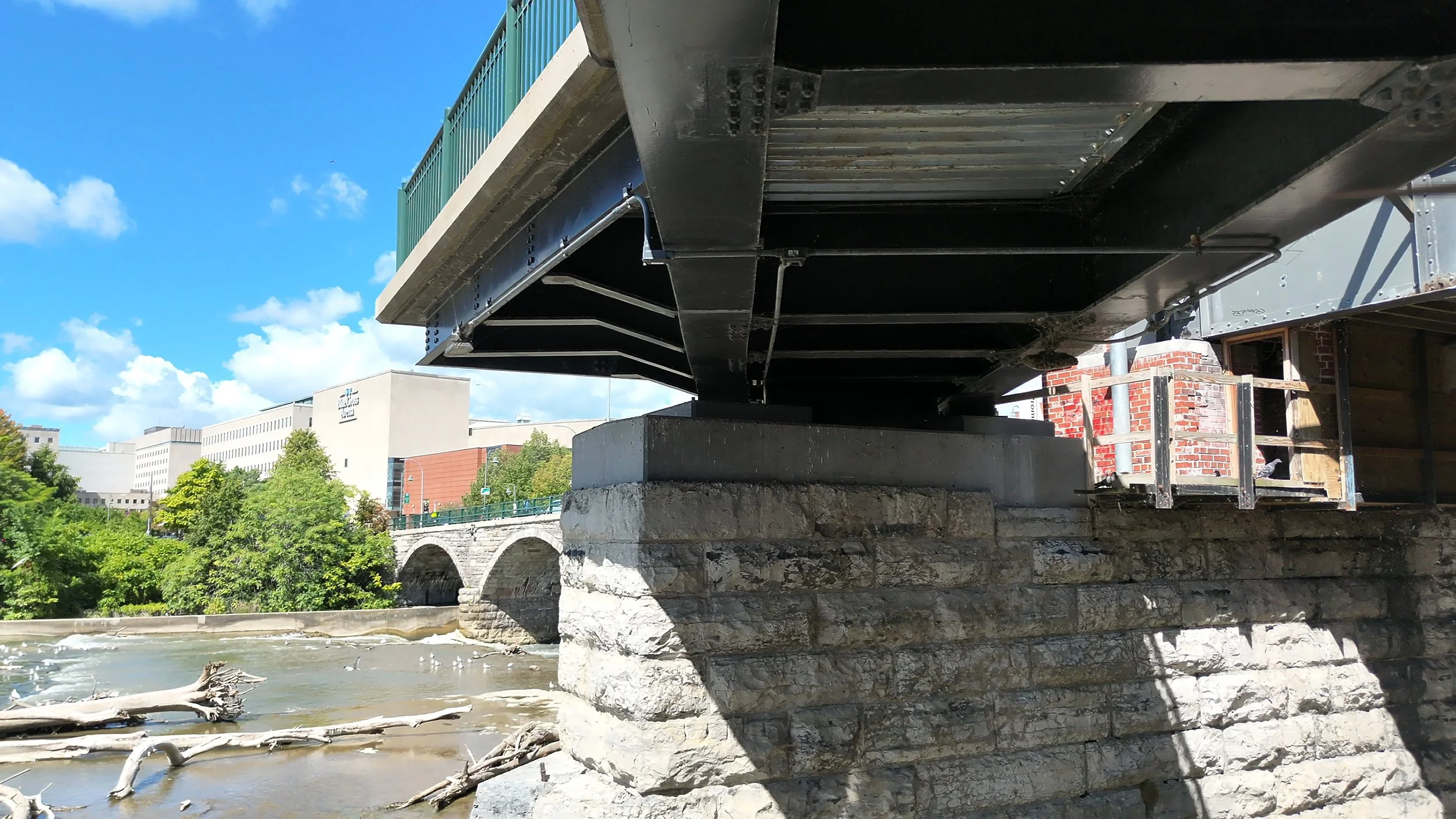
Close-proximity flight beneath the bridge deck to document structural elements
Capture of high-resolution imagery and video from multiple angles
Safe landing and rapid demobilization
Total onsite time was under one hour per bridge.
Minor adjustments were made during flight due to obstacle avoidance systems protecting the aircraft near structural elements. These adjustments allowed improved viewing angles without compromising safety.
A representative from Lu Engineers was present during both flights. Using the drone’s dual-operator capability, the engineer was able to control the camera while the aircraft was piloted, ensuring imagery focused on areas of specific interest. This collaboration allowed inspection-level detail without extending flight time.
Deliverables
The following deliverables were provided within 24 hours of field work:
High-resolution orthomosaic imagery
Wide-angle and zoom still photographs
Wide-angle and zoom video footage
Systematically organized folder structure aligned with engineering review needs
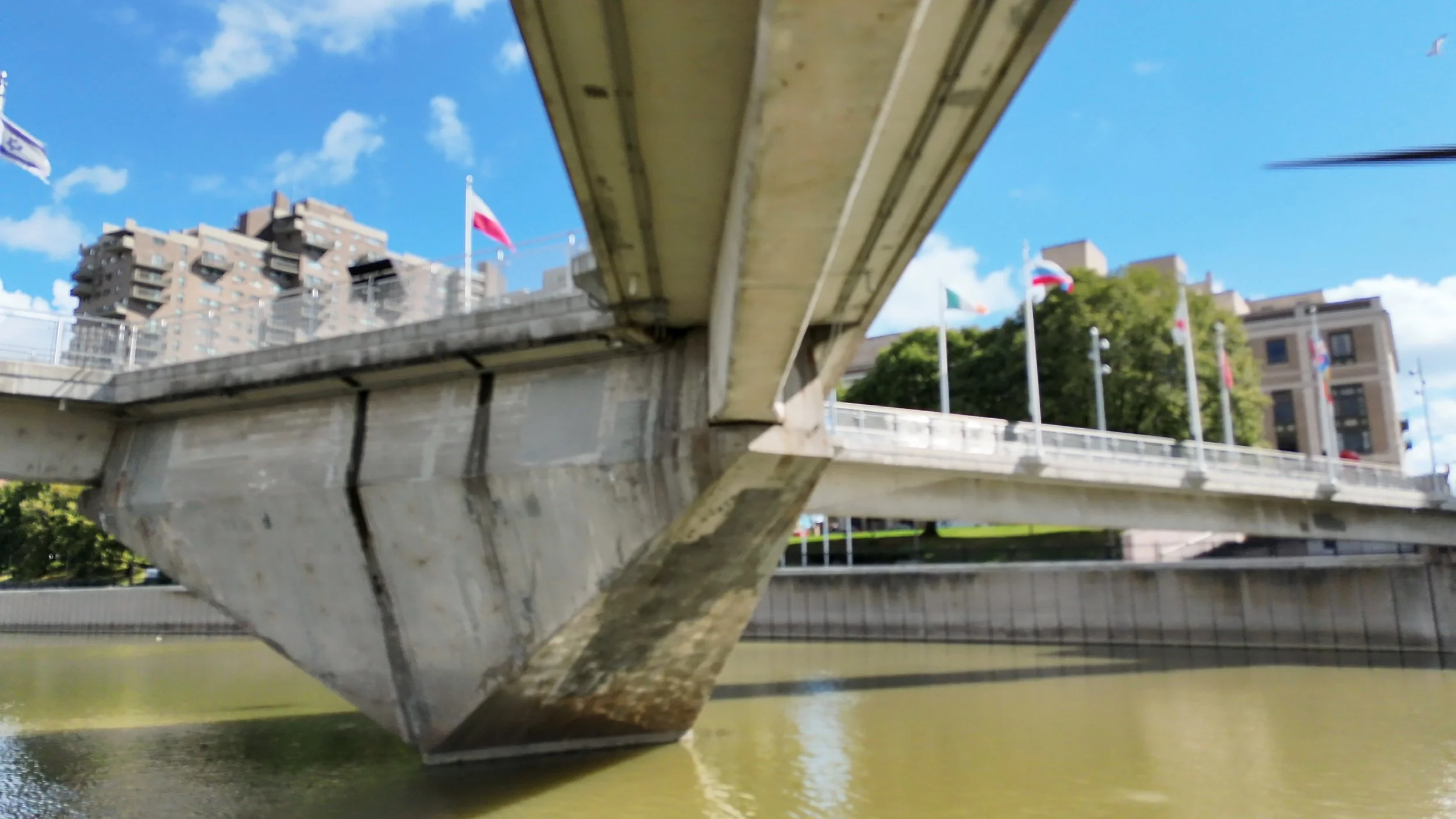
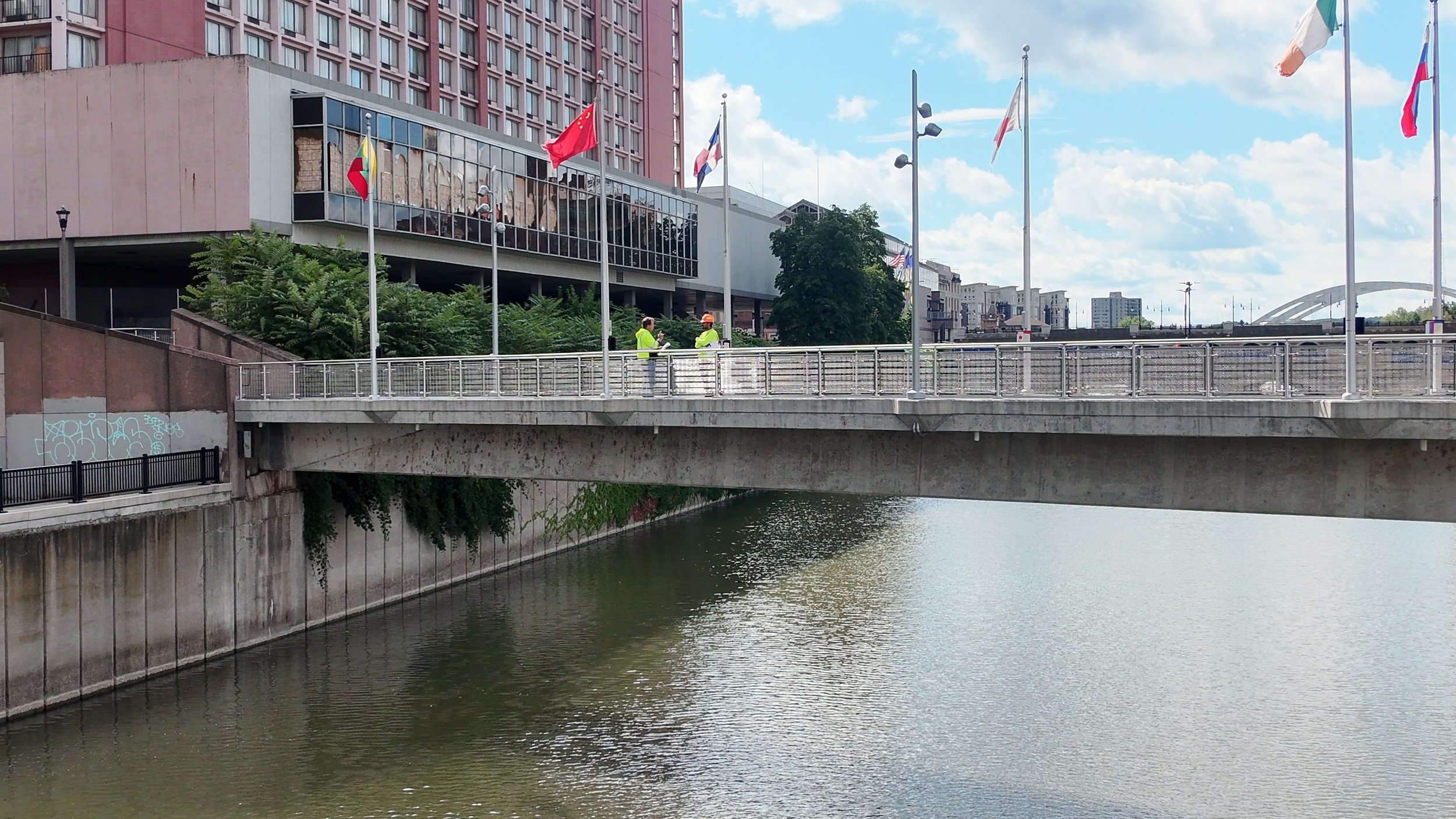
Imagery captured the underside of the bridge decks, connection points, and other structural elements that would normally require specialized access equipment.
Deliverables were provided as downloadable files, allowing Lu Engineers to incorporate the data directly into their inspection reports.
Results & Impact
“Using a drone-based inspection saved both time and money compared to traditional methods, while still meeting our inspection requirements.”
The drone-based inspection delivered measurable benefits compared to traditional methods:
Time savings:
Days saved compared to scaffolding or rope access (setup, inspection, teardown)
Several hours to a full day saved compared to boat-based inspection
Cost savings:
Avoided scaffolding, rope access technicians, boats, drivers, and additional staff
Overall project cost was multiple times less expensive than traditional approaches
Operational continuity:
Bridges remained open
Waterways remained unobstructed
No personnel exposed to elevated safety risks
Faster decision-making:
Imagery delivered sooner than anticipated
Enabled Lu Engineers to proceed with their work without delay
Inspection coverage was comparable in detail to traditional methods, with the added advantages of speed, safety, and reduced disruption.
Client Outcome
Lu Engineers confirmed that the solution met their inspection needs while exceeding expectations in terms of efficiency and professionalism. The project was delivered exactly as promised, on schedule, and with minimal coordination required from the client beyond proposal approval and site location.
The client indicated they would:
Use this drone-based inspection approach again
Choose drone inspection as a first option for similar projects
Recommend this solution to municipalities, inspectors, and asset owners
“The services exceeded our expectations. The professionalism and execution stood out throughout the project.”
Conclusion
This project demonstrates how drone-based inspections can provide safe, detailed, and cost-effective solutions for pedestrian bridges in challenging environments. By reducing access constraints, minimizing disruption, and accelerating delivery, drones offer a practical alternative to traditional inspection methods—particularly in dense urban settings where safety and efficiency are critical.
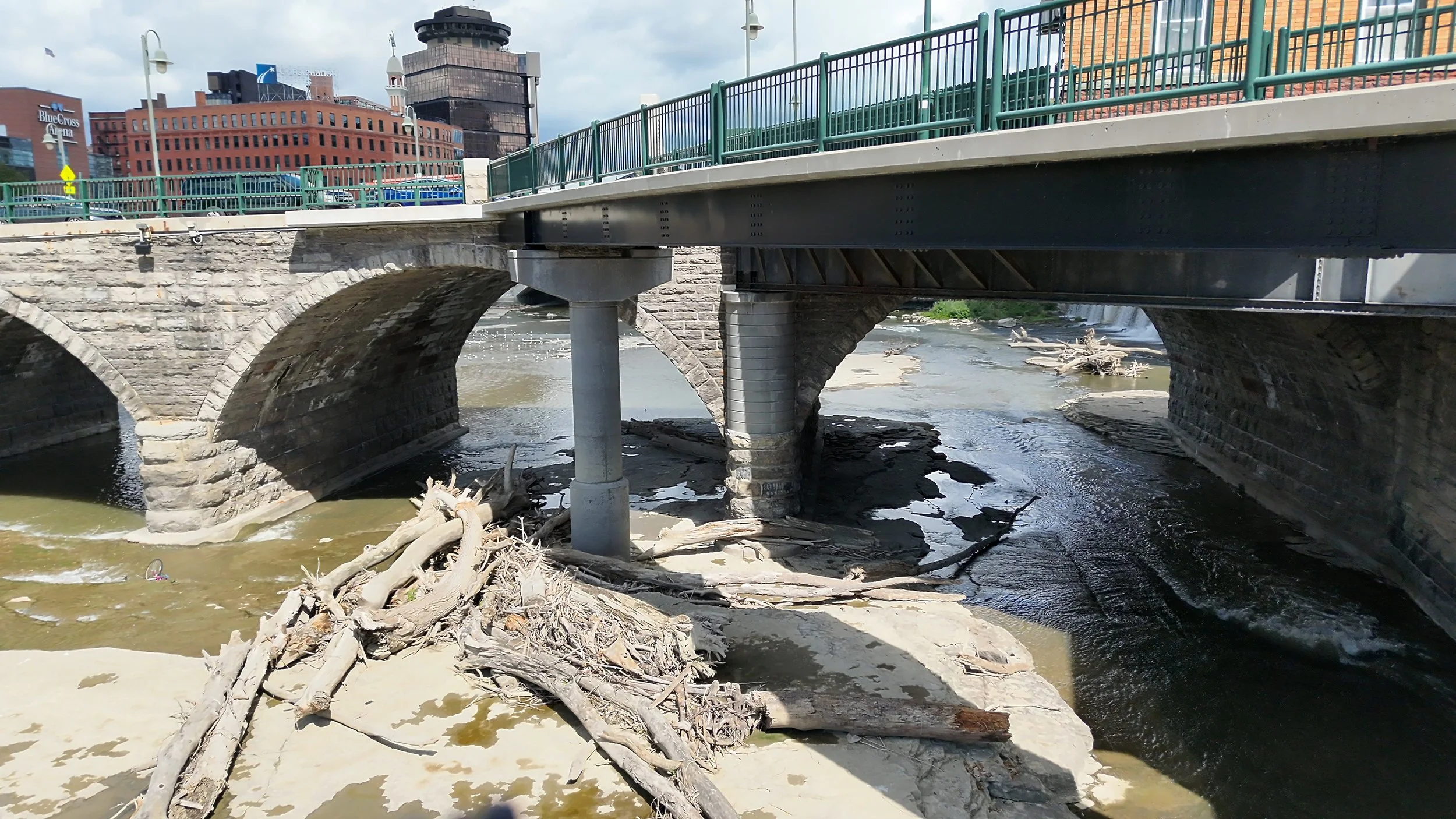
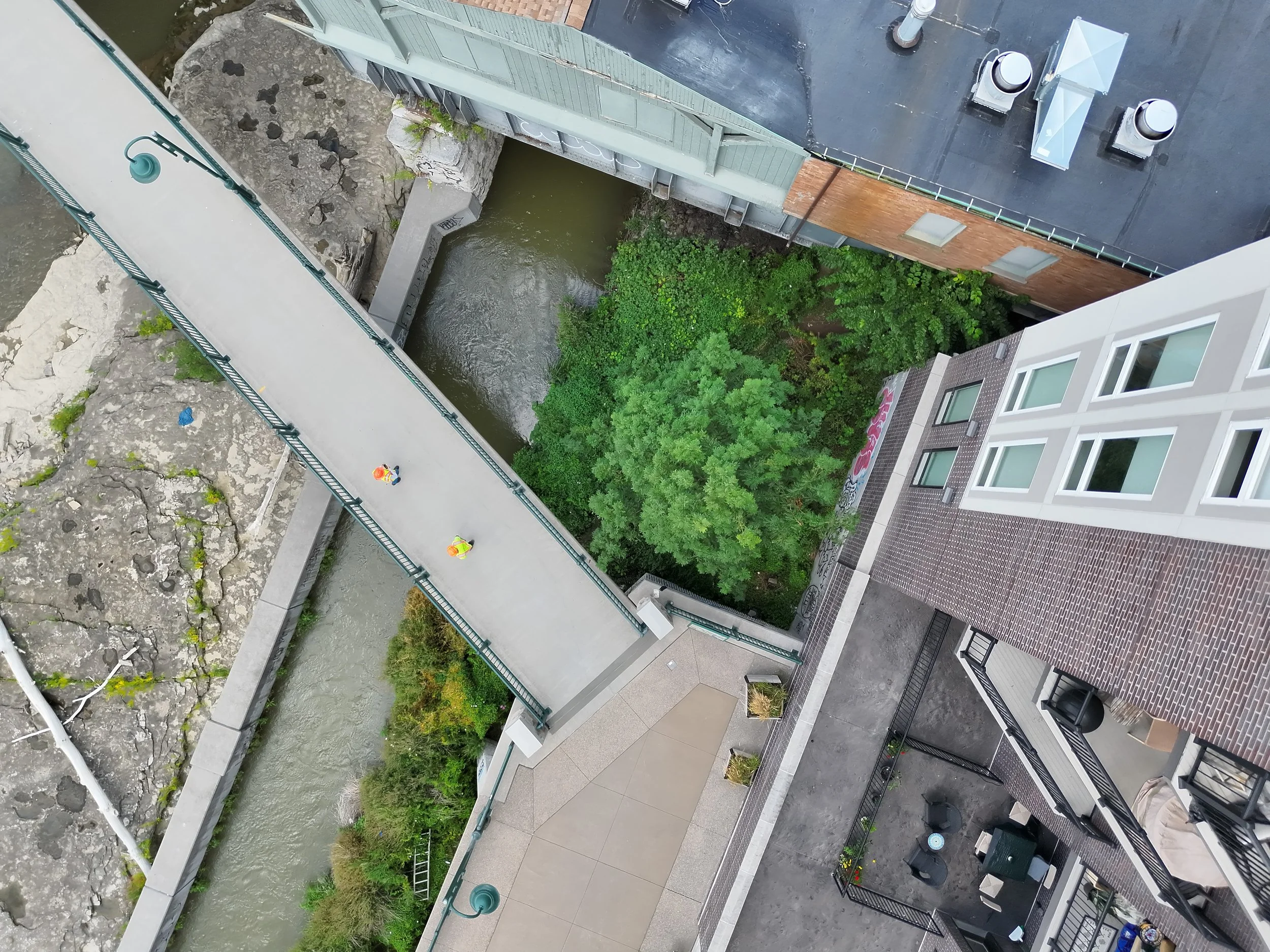
The Promenade at Erie Harbor - Rochester, NY